SCULPTING THE COLONIAL GAZE
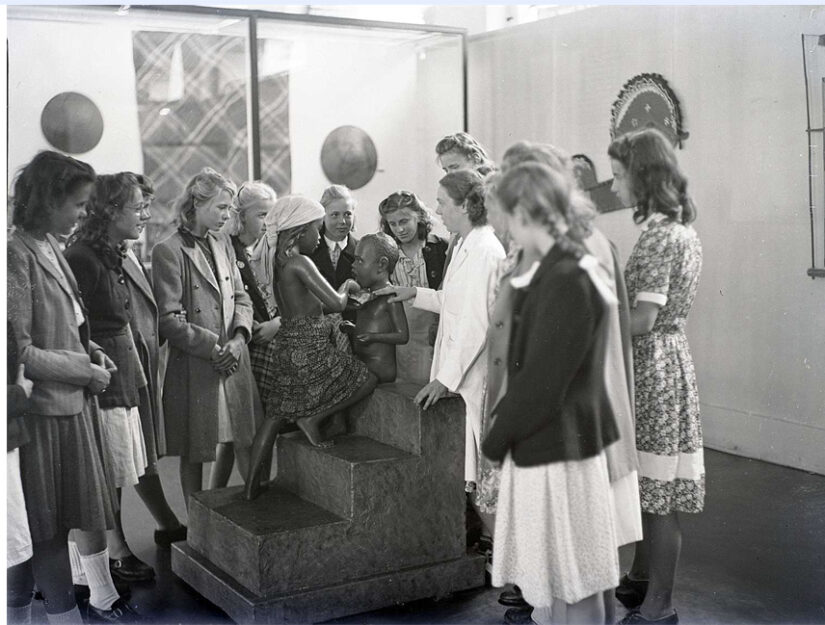
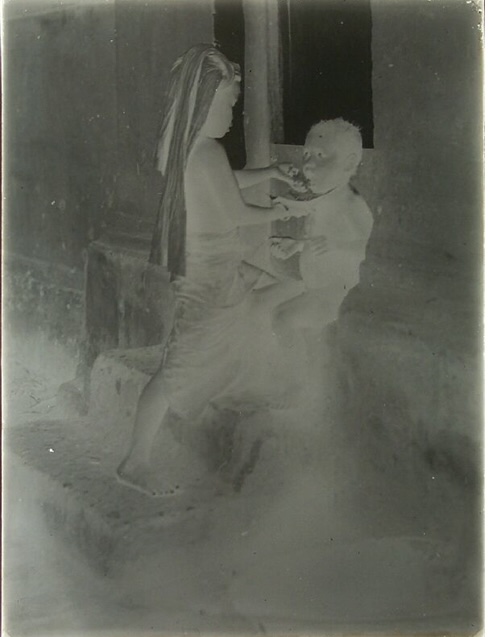
In this upcomig essay (june 2026 ) Blokand examines how colonial power is constructed and perpetuated through the lifesize figure in a Dutch former colonial museum now the World Museum Amsterdam by looking at the inspiration source for the figure, a photograph, the production of the life-size figure, and it’s documented audiences. Focusing on an image of two Balinese children, later transformed into a sculptural figure and displayed in a museum, she argues that each stage reproduces a specific colonial gaze. The photograph establishes relations of control, the sculpture materializes and extends them through artistic perspectives and commission dialogue; and the audience reactivates them through viewing through specific gendered and generational constructions . Together, these elements question how ideology is transmitted through visual culture, violent pedagogy, and institutional framing, rendering the figure “alive” as an ongoing site of colonial violence and representation.
FIGURE. 3 UNKNOWN PHOTOGRAPHER, RITA BOLLAND WITH SCHOOLGIRLS AROUND THE FIGURE GROUP OF TWO BALINESE CHILDREN, CA. 1950. WORLD MUSEUM COLLECTION, TM-T-205. Figure 1. Gregor Krause, Balinese Children, Bali, 1912. Nederlands Fotomuseum, WMR-426125.